Skin Longevity — What It Is and How to Support It
29.10.2026

For years, skincare talked about fighting age. Skin longevity asks a better question, how do we keep skin healthy, strong and functioning well for as long as possible?
Ageing is natural. What we can influence is how well skin is supported along the way. That means protecting what you have, encouraging the skin's own repair processes, and staying consistent over years rather than weeks.
Here's what skin longevity means, what the evidence says supports it, and the in-clinic treatments our clinicians most often recommend as part of a long-term plan.
What is skin longevity?
Skin longevity is the practice of supporting skin's health and function over the long term. The focus shifts from quick fixes to the structures that keep skin resilient.
Four of these do most of the work:
Collagen — the protein that gives skin its firmness and structure. From our mid twenties, the body produces roughly 1% less each year.
Elastin — the fibres that let skin stretch and recoil. Elastin is made mostly early in life and is slow to replace.
The skin barrier — the outer layer that holds in hydration and keeps out irritants. A compromised barrier shows up as dryness, sensitivity and dullness.
Cell turnover — the cycle of shedding and renewing surface cells. It slows with time, which can leave skin looking less even.
These processes change with age, genetics and environment. In Australia, UV exposure is the biggest external factor, it breaks down collagen and contributes to pigmentation and textural change.
Skin longevity isn't about stopping time. It's about giving skin the best conditions to keep doing its job.
What supports skin longevity?
The foundations are simple. The difference comes from doing them consistently.
1. Daily sun protection
Broad-spectrum SPF 50+ every day, reapplied when outdoors. UV is the single largest driver of collagen breakdown and pigmentation — protection is the base everything else builds on.
2. Evidence-informed actives
Vitamin A (retinoids) — supports cell turnover and collagen production.
Vitamin C — an antioxidant that helps protect against environmental damage and supports collagen synthesis.
Peptides — signalling ingredients that can support repair and firmness.
Niacinamide — supports barrier function and an even tone.
The right combination depends on your skin. Our clinicians can help you build a routine that suits it.
3. A healthy barrier
Gentle cleansing, adequate hydration and avoiding over-exfoliation. A stable barrier helps skin tolerate actives and treatments better.
4. Lifestyle
Sleep, a balanced diet, not smoking and managing stress all play a part in how skin repairs itself.
5. Regular in-clinic care
Skincare works at the surface. Some in-clinic treatments work deeper, encouraging the skin's own collagen and elastin production. Spaced across the year, they can complement your home routine.
Our top treatments for skin longevity
Each of these works by prompting the skin's natural repair response, at different depths and with different recovery. Suitability, number of sessions and recovery are always assessed at consultation, and results vary between individuals.
SkinPen Microneedling
SkinPen uses fine, sterile micro-needles to create controlled micro-channels in the skin. This triggers the body's wound-healing response, which can stimulate new collagen and elastin.
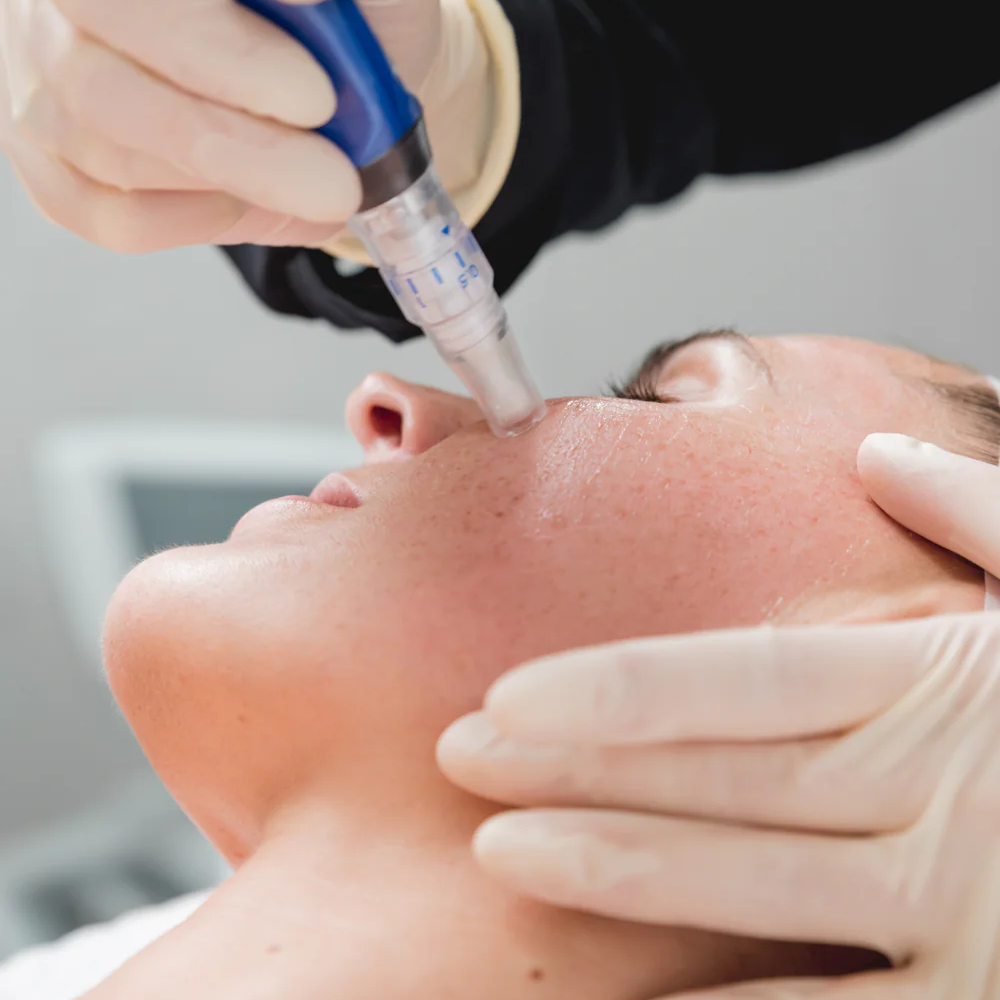
- May help with: fine lines, texture, acne scarring, enlarged pores, uneven tone
- Suits: a wide range of skin types, including darker skin tones
- Recovery: redness and sensitivity similar to mild sunburn, usually settling within 24–72 hours
- Typical course: a series of sessions spaced around 4–6 weeks apart
Fraxel Laser
Fraxel Dual is a fractional laser that treats a fraction of the skin at a time, leaving surrounding tissue intact to support healing. It works on two wavelengths — one targeting deeper collagen remodelling, one targeting surface pigmentation.
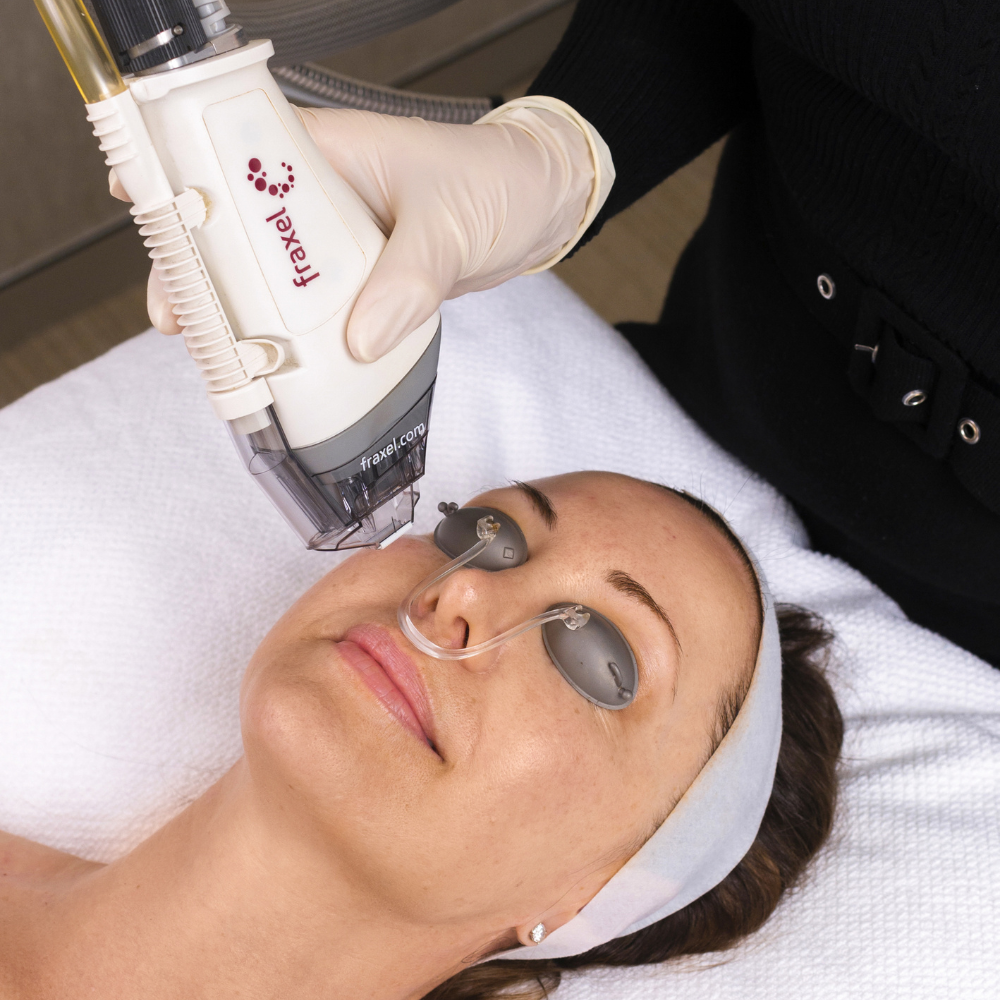
- May help with: sun damage, pigmentation, age spots, texture, acne scarring
- Recovery: redness, swelling and a bronzed, sandpaper-like texture are common for several days, with flaking as skin renews
- Typical course: a series of treatments, often during the cooler months when sun exposure is easier to manage
- Aftercare: strict sun protection before and after treatment
Sofwave
Sofwave uses SUPERB™ ultrasound technology to deliver energy to the mid-dermis — the layer where collagen lives — while cooling the skin surface. This can stimulate new collagen and elastin over the following months.
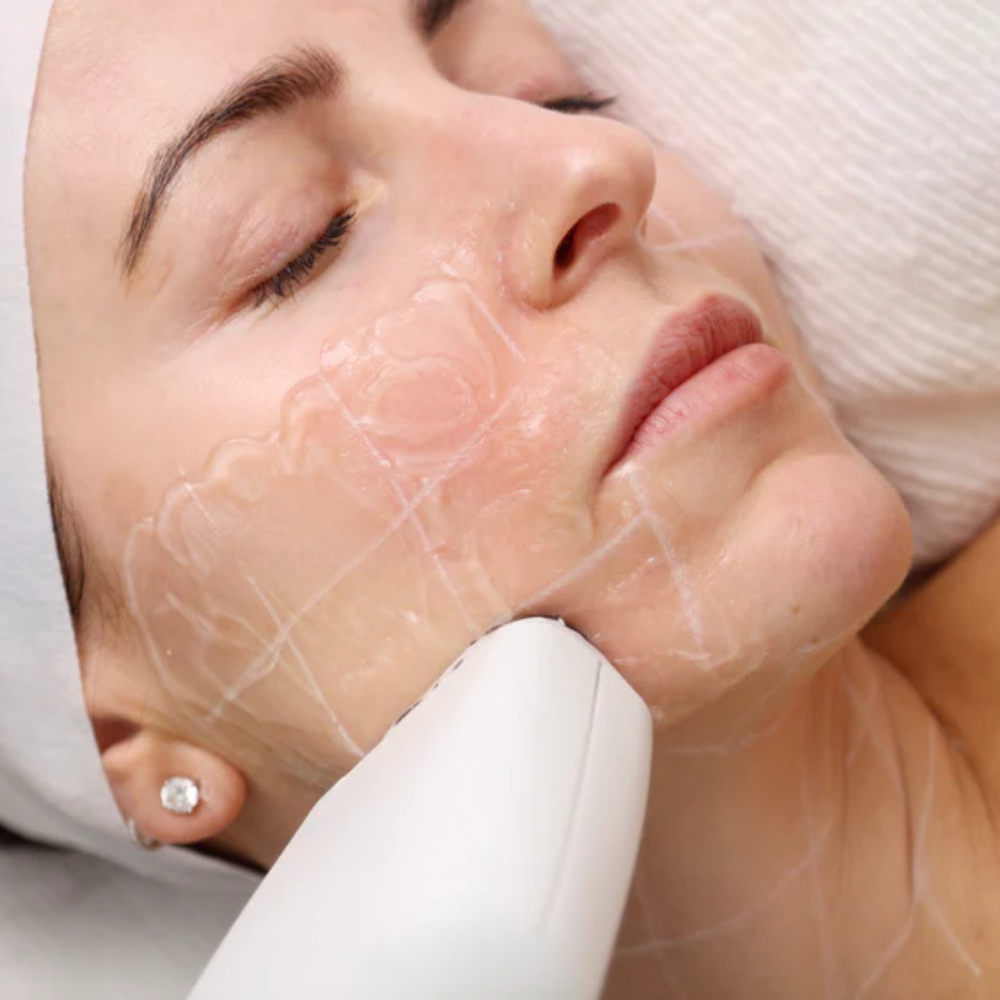
- May help with: skin laxity, fine lines, and areas such as the brow, jawline and neck
- Recovery: some people experience temporary redness or mild swelling; most return to usual activities soon after. Discomfort during treatment varies and is discussed beforehand
- Onset: changes develop gradually as new collagen forms, commonly assessed around 3 months after treatment
- Typical course: often one session, with maintenance discussed at review
Alma Opus Plasma
Alma Opus combines fractional plasma with radiofrequency (RF) energy. Plasma works at the surface to renew texture, while RF heats deeper tissue to encourage collagen remodelling.
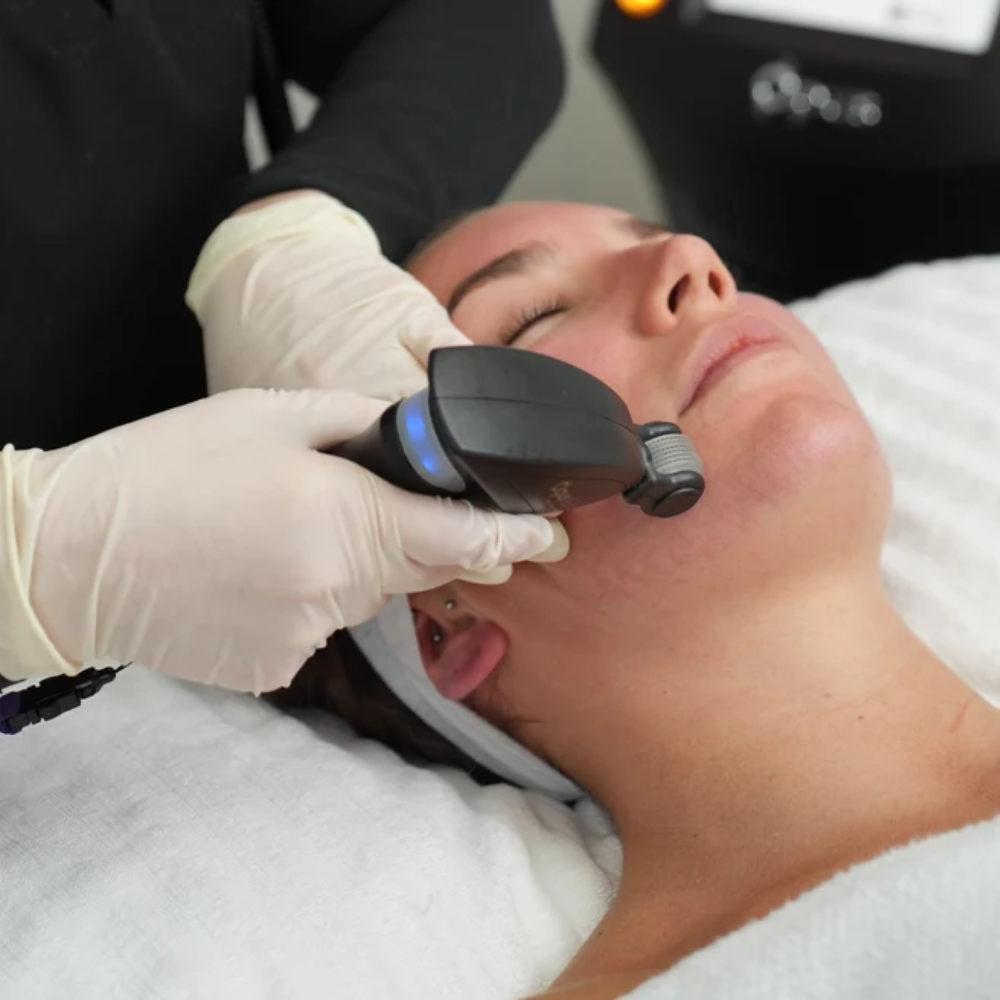
- May help with: wrinkles, skin laxity, uneven texture and tone, acne scarring
- Recovery: redness and fine surface marks for several days as skin heals; recovery depends on the treatment depth chosen
- Typical course: usually 1–3 sessions spaced several weeks apart
Building a long-term plan
There's no single treatment for skin longevity. The most considered approach combines daily protection, the right home routine and in-clinic treatments chosen for your skin, your goals and your lifestyle.
Some people start with one treatment and build from there. Others combine treatments across the year — for example, a resurfacing treatment in the cooler months and a collagen-focused treatment at another time. How often you return depends on your skin and is discussed with your clinician, not set in advance.
The Clinic Bondi has been caring for skin since 1999. A consultation is the place to start — we'll assess your skin, talk through your options, including the risks and recovery for each, and help you decide what's right for you.
All cosmetic procedures carry risks. Results vary between individuals. For full risk and recovery information, see [link to treatment risk information page] or speak with our clinicians.